



Matthew Wittemeier
For much of the past decade, the conversation around solar has shifted. It once began with a simple intention: “I want to do the right thing for the environment.” Increasingly, it begins with a more immediate question: “How can I reduce my power costs?”
Both motivations matter. Lower energy costs can make a real difference to households, farms and businesses, particularly when power bills are putting pressure on operating budgets. But the latest energy-market data makes something equally clear: choosing solar is not an either-or decision between financial sense and environmental responsibility. We can have both.
At Rainbow Power Company, we believe the strongest renewable-energy decisions are the ones that improve a customer’s bottom line while also reducing their reliance on polluting, centrally generated power. Solar puts more control in the hands of the people using the energy, and Australia’s latest market results show just how powerful that collective change has become.
Clean energy is helping lower wholesale prices
The Australian Energy Market Operator’s Quarterly Energy Dynamics report for April to June 2026 found that the National Electricity Market’s average wholesale spot price fell to $74 per megawatt-hour, down 47 per cent from the same quarter a year earlier. AEMO attributed the lower prices to higher renewable generation, increased battery discharge during peak periods and lower evening demand. AEMO’s Q2 2026 Quarterly Energy Dynamics report
The Smart Energy Council summarised the result plainly: record wind, solar and battery storage penetration helped drive the almost 50 per cent reduction in wholesale prices. Smart Energy Council’s response to the AEMO report
Wholesale prices are not the same as a customer’s retail bill, and no responsible installer should promise that one quarter of market data will translate directly into a specific bill saving. However, the direction is important. When renewable energy and storage reduce the need to run higher-cost gas generation and relieve pressure during peak periods, they support a more affordable electricity system for everyone.
For solar owners, there is another layer of value. Generating electricity on-site means buying less energy from the grid when the sun is shining. For many households and businesses, that is where the most direct and reliable savings begin.
Rooftop solar is part of the national solution
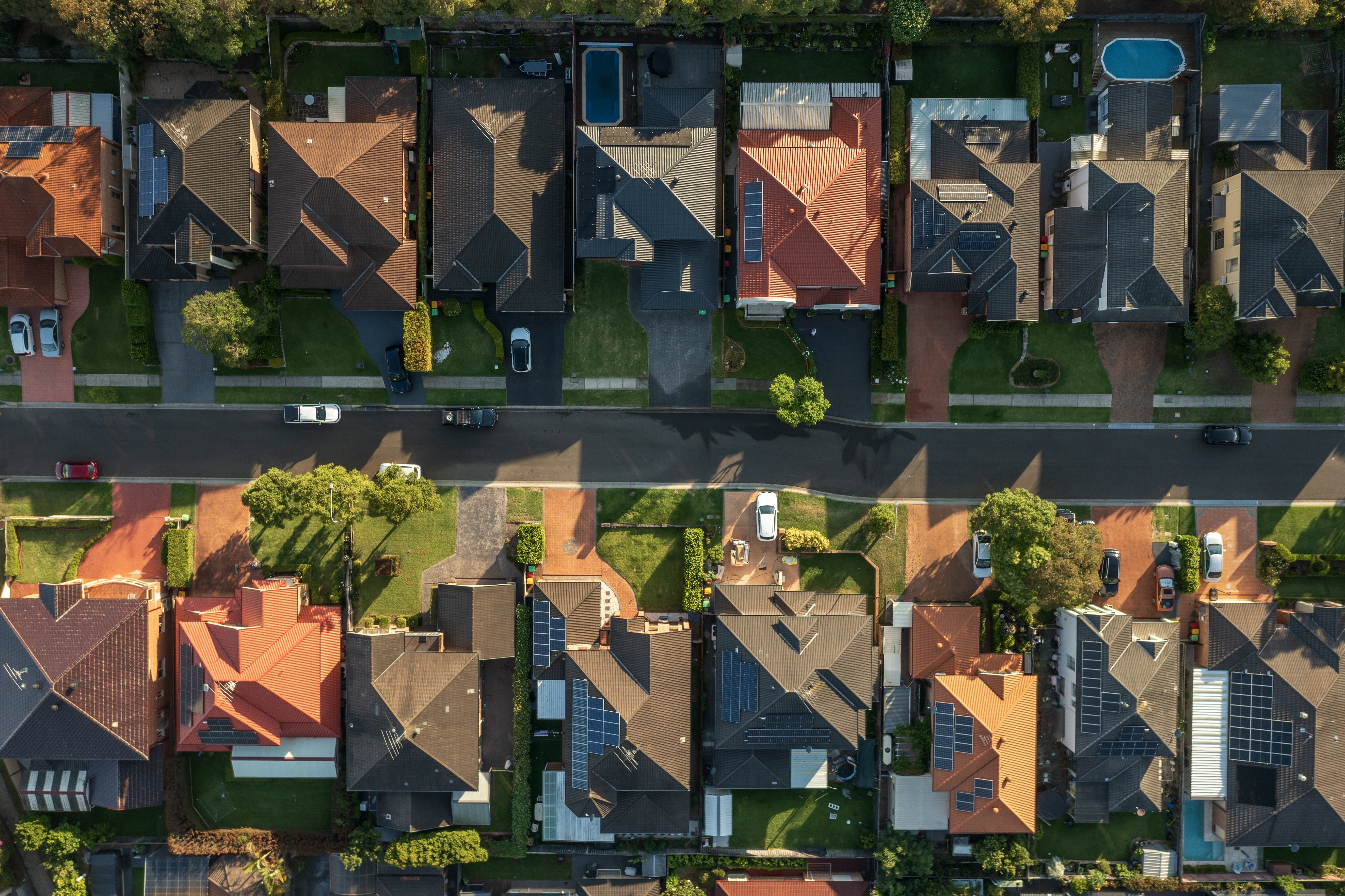
Rooftop solar is no longer a niche technology or a symbolic environmental gesture. It is a major part of Australia’s electricity supply.
AEMO reported that distributed solar PV, largely rooftop solar, produced an average of 2,520 MW across the National Electricity Market in the second quarter of 2026. That was a new quarterly high, up 6.9 per cent on the previous year, and represented 10.3 per cent of total NEM generation. AEMO’s Q2 2026 Quarterly Energy Dynamics report
By the end of the quarter, consumer energy resources solar capacity across the NEM had reached 26.4 GW across around 3.9 million installations. AEMO’s Q2 2026 Quarterly Energy Dynamics report
That is a remarkable outcome. Every system is owned by someone: a family, a small business, a school, a community organisation, a farm or an industrial operation. Together, these systems reduce daytime demand on the grid, create local clean-energy capacity and help make the energy system more resilient.
For our customers, this plays out every day. A well-designed solar system is a practical piece of infrastructure, it can reduce operating costs, improve energy independence and make a meaningful contribution to lower-emissions electricity.
The environmental outcome is real and measurable
The financial case for solar is compelling, but the environmental result should never become an afterthought.
In Q2 2026, renewables supplied 42.1 per cent of NEM generation, up from 37.1 per cent in the same quarter the year before. Over the same period, black coal generation fell 7.3 per cent and gas generation fell 30 per cent. AEMO’s Q2 2026 Quarterly Energy Dynamics report
The emissions outcome followed. AEMO recorded NEM emissions of 27.1 million tonnes of carbon dioxide equivalent, down 6.4 per cent year on year and a new second-quarter low. The market’s emissions intensity also fell 6 per cent to a new quarterly low. AEMO’s Q2 2026 Quarterly Energy Dynamics report
These figures matter because they demonstrate the link between clean-energy investment and real-world outcomes. More solar, wind and storage means less dependence on coal and gas. Less coal and gas means lower emissions. In this quarter, it also meant lower wholesale prices.
Solar and batteries are stronger together
Solar remains the foundation of an effective home or business energy strategy, but batteries are increasingly expanding what solar can achieve.
AEMO found that sampled homes with solar and a battery reduced their average grid imports during the evening peak by 73 per cent compared with solar-only homes. AEMO’s Q2 2026 Quarterly Energy Dynamics report
This is why system design matters. Solar produces clean electricity during the day, while batteries can store excess production for use after the sun goes down. The result can be lower grid consumption during expensive evening periods, greater energy independence and a reduced need for fossil-fuelled peaking generation.
The transition to renewables is not only about large power stations or national policy. It is also happening on rooftops, in switchboards and behind meters across regional communities and towns like ours.
Solar remains one of the most practical ways to take action on energy costs and climate impact at the same time. At RPC, that is the outcome we work towards: clean energy that makes sound financial sense, strengthens local resilience and leaves a lighter footprint for the generations that follow.
Ready to see what solar could do for you? Every home and business is different, and our team can walk you through the savings and environmental impact for your specific situation. Get in touch with Rainbow Power Company to start the conversation.