



By: Matthew Wittemeier
If you’ve been following the news lately, you’ve no doubt seen the headlines about this summer’s wild weather swings. One minute, Victoria’s Great Ocean Road communities are evacuating under catastrophic fire warnings, a week later, the same spots watch cars wash out to sea in flash floods. Then, just 10 days after that, extreme heat slams back in.
This isn’t random bad luck, it’s climate whiplash, as laid out crystal clear in the Climate Council’s freshly released report, Breakneck Speed: Summer of Climate Whiplash, dropped just days ago on 16 March 2026.
The report pulls no punches. Australia flipped between extremes at breakneck speed this summer. Victorian towns bounced from bushfires torching 451 homes across 450,000 hectares to record rainfall in the same breath. North-west Queensland saw an average annual rain dump in the first five weeks of the year, killing or displacing 100,000 head of livestock. Western Australia’s Eyre Highway shut down first from 45°C heat and dry lightning fires, then floodwaters two days later.
Even during a La Niña, usually our “cooler and wetter” phase, 2025 clocked in as our fourth-hottest year on record, with January 2026 smashing heat records without the usual hot northerly winds. Port Augusta, SA, even became the southernmost spot on Earth to hit 50°C. The culprit? Seventeen more years of coal, oil, and gas pollution supercharging a hotter baseline climate.
Right here in the Northern Rivers, we’ve felt the whiplash firsthand. Just last year, ex-Tropical Cyclone Alfred left 38,000 homes and businesses from Tweed Heads to Yamba without power for days, trees down on lines, wastewater plants offline, fridges rotting food. Houses started smelling of mould, and even charging a phone took ingenuity while Essential Energy warned repairs were unsafe. That’s our grid today, buckling under swings we used to call “weather”.
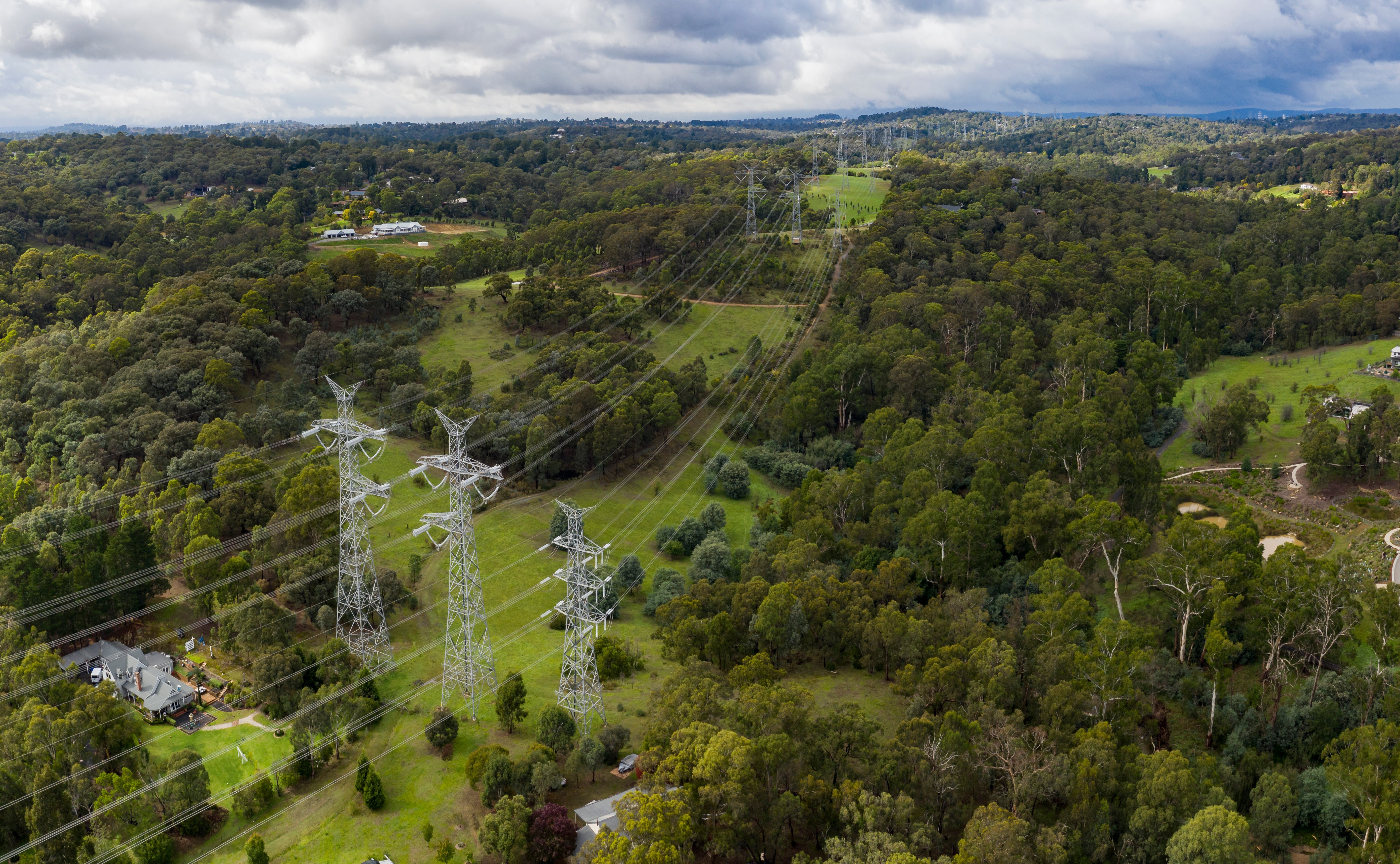
This is what grid vulnerability looks like.
Climate whiplash isn’t just a catchy phrase, it’s hitting every sector, and none harder than our electricity grid. Think about it: solar and wind farms, our renewable darlings, thrive on predictable patterns. But when the climate flips from drought to deluge in weeks, or heat scorches panels while floods swamp infrastructure, output goes haywire. The Climate Council notes ocean heat records fueling cyclones and downpours, with every 1°C of warming boosting extreme rainfall by 7–28% for short bursts. That’s grid instability on steroids.
Research backs this up hard. A recent study mapped climate change’s hit on solar reliability across Australia, finding eastern states might see fewer “lull” periods (those no-power blackouts) by century’s end, but the west braces for longer ones. Voltage fluctuations spike, frequencies wobble, and safety cut-offs trigger blackouts. We’ve already seen it: insurance payouts for disasters doubled to $4.5 billion a year since 2020, premiums up 51% in five years. Councils like NSW’s MidCoast are begging for recovery funds 16 times since 2019 alone. Annual disaster costs per Aussie? Up 222% since the 1980s. And that’s before whiplash fully bites our power lines.
Here’s where it gets personal for businesses and households in Nimbin and beyond. Unpredictable weather doesn’t just flood roads anymore, it blacks out your lights when you need them most. Pumps fail during droughts, cool rooms overload in heatwaves, freezers thaw in outages. At Rainbow Power Company (RPC), we’ve watched this unfold firsthand. Our off-grid and backup systems aren’t nice-to-haves, they’re survival gear. Picture a solar-battery hybrid kicking in seamlessly as the grid staggers under a cyclone downpour or fire-induced shutdown. No more watching the meter spin backwards into chaos.
RPC’s solutions are built for this exact chaos: modular battery banks scaling from home offices to full commercial setups, hybrid inverters that prioritise renewables, and monitoring that flags instability before it hits. We’ve helped Nimbin local, community organisations and businesses weather literal storms, keeping fridges humming through floods, tools powered during heatwave brownouts. The Climate Council’s call to cut pollution and adapt rings true, but waiting for government adaptation plans won’t keep your lights on tomorrow.
Don’t let climate whiplash catch you flat-footed. Invest in your own backup or off-grid power base today. Contact RPC at Nimbin for a no-obligation audit, we’ll crunch your numbers and spec a system that pays for itself in outage savings alone. The weather’s unpredictable, your power shouldn’t be. Reach out now: your grid’s future self will thank you.